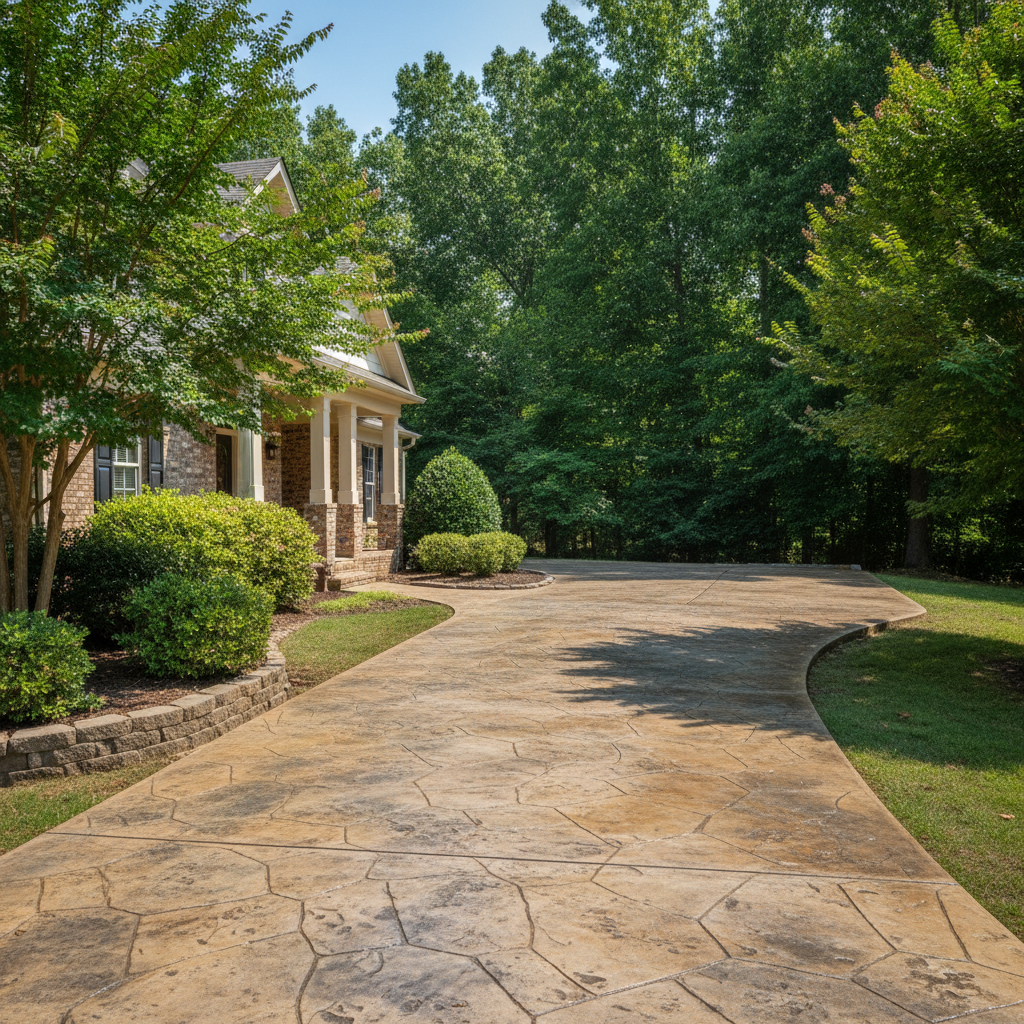
So, you've got stamped concrete. Maybe it's a patio, a driveway, or a walkway. It's a fantastic way to add curb appeal and value to your Birmingham home, giving you that high-end look without the high-end price tag of natural stone or pavers. But just like anything else around your house, it needs a little love to stay looking its best. I've seen plenty of stamped concrete jobs over the years, and I can tell you, the ones that last and keep their beauty are the ones that get proper care. It's not rocket science, but there are a few things you really ought to know.
Making Your Stamped Concrete Last Longer
The biggest thing you can do to make your stamped concrete last is regular sealing. Think of it like sunscreen for your concrete, honestly. Here in Birmingham, we get a lot of sun, a lot of rain, and our fair share of humidity. All that weather really takes a toll. A good quality sealer protects the surface from UV rays, moisture, and general wear and tear. I usually recommend resealing every 2-3 years, but if your concrete gets heavy foot traffic or is constantly exposed to harsh elements, you might consider doing it annually. You'll want to use a high-quality acrylic or penetrating sealer. Don't cheap out here; it's an investment in keeping your concrete looking new.
Keeping it clean is another big one. Dirt, leaves, and other debris can trap moisture and promote mildew growth. That's not just ugly, it can actually degrade the sealer over time. A simple sweep or a rinse with a garden hose goes a long way. If you've got oil or grease spills, clean them up immediately. The longer they sit, the harder they are to get out, and they can stain the concrete permanently if they penetrate the sealer.
Regular Upkeep: What You Need to Do
Alright, let's talk about the regular stuff. It's pretty straightforward. First off, keep it swept. Especially if you have trees dropping leaves or pollen, that stuff can really build up. A leaf blower works great too. Then, a good rinse with a garden hose and a mild detergent (like dish soap) once every few months is usually enough to remove surface grime. For tougher spots, a soft-bristle brush can help. Just don't use anything abrasive that could scratch the sealer, okay?
Pressure washing? Yeah, you can do it, but be careful. Don't blast it with a super high-pressure nozzle right up close. You can damage the sealer or even the concrete itself. Use a wide fan tip and keep the wand moving. If you're not comfortable with it, just stick to the hose and brush. For winter, we don't get a ton of snow and ice here in Birmingham, but if you do use de-icing salts, be careful. Some salts can be really harsh on concrete. Look for products that are concrete-safe, or better yet, just use sand for traction.
Warning Signs of Trouble
You'll want to keep an eye out for a few things. If you start seeing the color fade, that's a pretty clear sign your sealer is wearing thin and it's time for a fresh coat. Dullness is another indicator. If your concrete used to have a nice sheen and now it looks flat, that's your cue. Cracks, even small hairline ones, should be noted. While minor cracks can happen, especially with our expansive clay soils around here, if they start getting wider or longer, or if you see pieces flaking off (what we call spalling), that's a bigger issue.
Pitting, where small holes appear on the surface, is another problem sign. This often happens from water freezing and expanding in tiny pores, or from harsh chemicals. If you see any of these, don't ignore 'em. Addressing them early can save you a lot of headache and money down the road.
When to Call a Professional
Look, for simple cleaning and resealing, a lot of folks can handle it themselves. But there are times when you really need to call in the pros. If you're seeing significant cracking, spalling, or large areas of pitting, that's beyond DIY. Repairing structural damage or extensive surface deterioration requires specialized knowledge and tools. Trying to fix it yourself often makes it worse or just puts a band-aid on a bigger problem.
Also, if you're not sure what kind of sealer was used previously, or if you're having trouble getting the old sealer off, that's a good time to call. Different sealers react differently, and you don't want to mess up your beautiful stamped concrete by using the wrong product. GAE Concrete Co. has been doing this for a long time, and we've seen it all. If you've got concerns about your stamped concrete, or if it's just time for a professional assessment or a fresh seal, don't hesitate to give us a shout. We're here to help keep your Birmingham property looking its best.