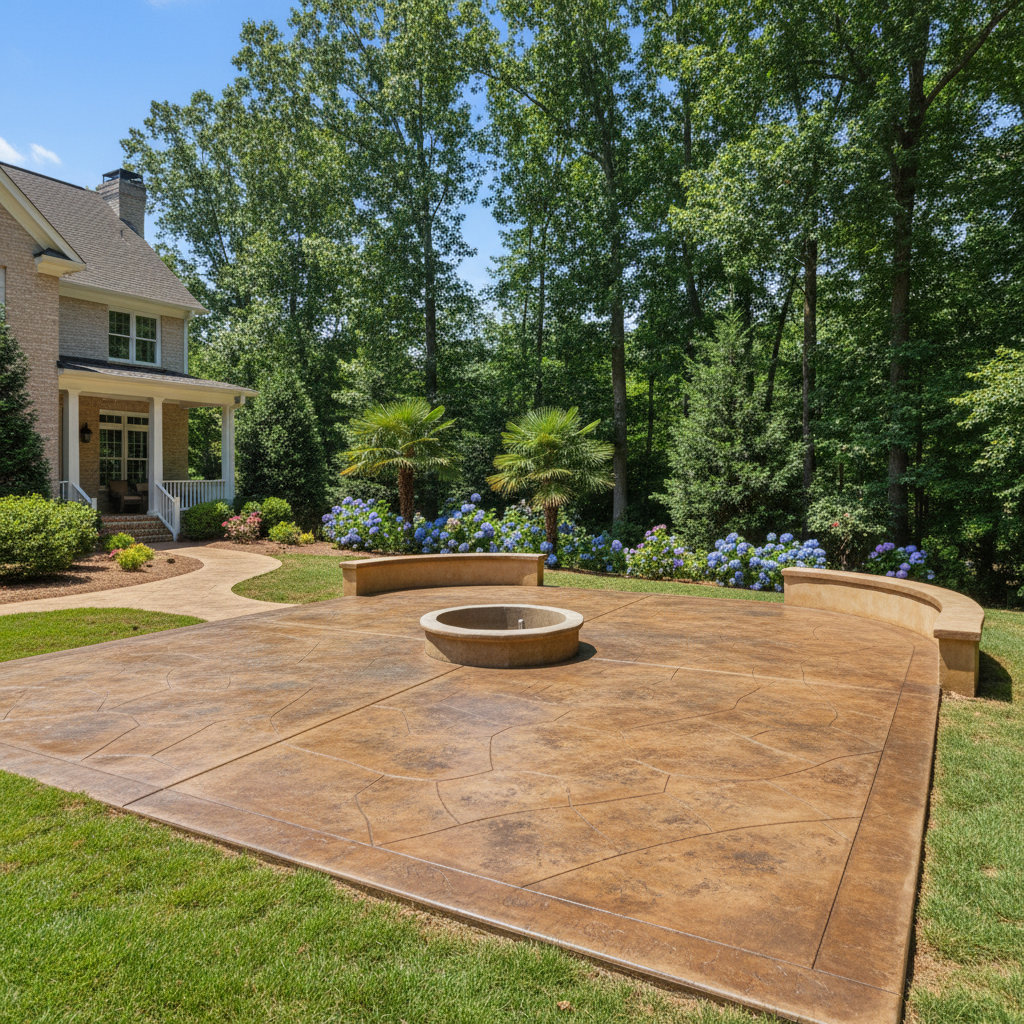
Thinking about staining your concrete in Birmingham?
That's a smart move, if you ask me. Stained concrete can really make your place look better, whether it's an old patio, a basement floor, or even your driveway. But, just like any good home improvement project, you've got to plan it out right. You definitely don't want a splotchy mess or a finish that just peels off in a year, especially with our hot, sticky Alabama weather. I've been around enough concrete to know what works and what doesn't, so let's talk about how to do this the right way.
Your Concrete Staining Timeline: What to Expect
So, how long does this whole thing actually take? A typical concrete staining job, including all the drying time, usually wraps up in about 1 to 3 days. That's for a pretty straightforward project, you know? But, of course, a few things can make it take a bit longer.
- Surface Prep is Key: Most of the time before we even start staining goes into getting the surface ready. If your concrete is brand new, it needs to be completely cured—that means waiting at least four weeks. For existing concrete, we've got to get it super clean. We're talking about removing all the dirt, debris, old sealers, paint, or any other gunk. If there are oil spots, we'll hit them with a degreaser. Sometimes, especially if the concrete is really dense or has old coatings, we might even need to grind it down a bit. This "opens up" the pores so the stain can really soak in. This initial cleaning and prep can easily take a full day all by itself.
- Stain Application: Once the surface is prepped and totally dry, it's time for the stain. We usually put it on in two or three coats, letting each one set before the next. Acid stains need at least 4-6 hours to react with the concrete, and sometimes up to 24 hours if you're going for a really deep color. Water-based stains dry quicker, usually 2-4 hours before we can seal them.
- Sealing and Curing: After the stain is on and dry, we put the sealer down. This is what protects your new finish. The sealer can dry in just an hour or two if the conditions are right, but it's really best to give it 48-72 hours to truly cure, especially when it's cooler out. You can usually walk on it lightly after 24 hours, but full curing can take anywhere from 7 to 10 days.
Remember, Birmingham's humidity really plays a role here. High humidity means moisture won't evaporate as quickly, and that can stretch out drying times between steps. We always keep an eye on the forecast to make sure we're working in the best conditions—ideally not too hot, not too cold, and not too wet. Fall, for instance, is often a fantastic time for outdoor staining because of the moderate temperatures and lower humidity.
What to Expect During the Process
When you hire GAE Concrete Co. or any good contractor, here's the general way things should go:
- Initial Assessment: We'll come out and take a good look at your concrete. Is it old? New? Does it have cracks or old coatings? This helps us figure out the best plan and what kind of prep work it'll need.
- Surface Preparation: This is the most important step, honestly. We'll clean, degrease, and maybe even grind the concrete. If there are any cracks or other flaws, we'll fix those too. We also mask off any areas you don't want stained, like walls or baseboards.
- Stain Application: We'll apply the stain evenly, usually with a sprayer, in multiple thin coats. This is how we build up the color you want. We'll make sure there are no puddles, because those can lead to darker spots.
- Neutralization (for acid stains): If we're using an acid stain, we'll neutralize the surface after the stain has reacted, then rinse it really well.
- Sealing: Once the stained concrete is completely dry, we put on a high-quality sealer. This protects the color and the concrete itself from wear, moisture, and fading from the sun. For outdoor surfaces, especially with our intense Alabama sun, a UV-stable sealer is absolutely essential.
- Curing: Then comes the waiting game while the sealer cures. We'll give you clear instructions on when you can walk on it and when it's safe to put your furniture back.
How to Prepare Your Home for the Project
You've got a part to play too! To help things go smoothly:
- Clear the Area: Move all your furniture, planters, vehicles, and anything else off the concrete surface. This also includes anything nearby that could get overspray.
- Clean Up Loose Debris: Give the area a good sweep or use a leaf blower to get rid of any loose leaves, dirt, or dust.
- Address Major Issues: If you know about any big cracks or structural problems, point them out to your contractor during that first assessment.
- Plan for Access: Make sure the crew can easily get to the work area, and think about how you'll get around while the concrete is drying and curing.
- Protect Nearby Plants/Items: We'll mask off areas, sure, but if you have delicate plants or items right next to the concrete, it's a good idea to cover them or move them if you can.
Questions to Ask Before Signing a Contract
Don't just go with the first quote you get. Ask these questions to make sure you're getting a good, reliable contractor: