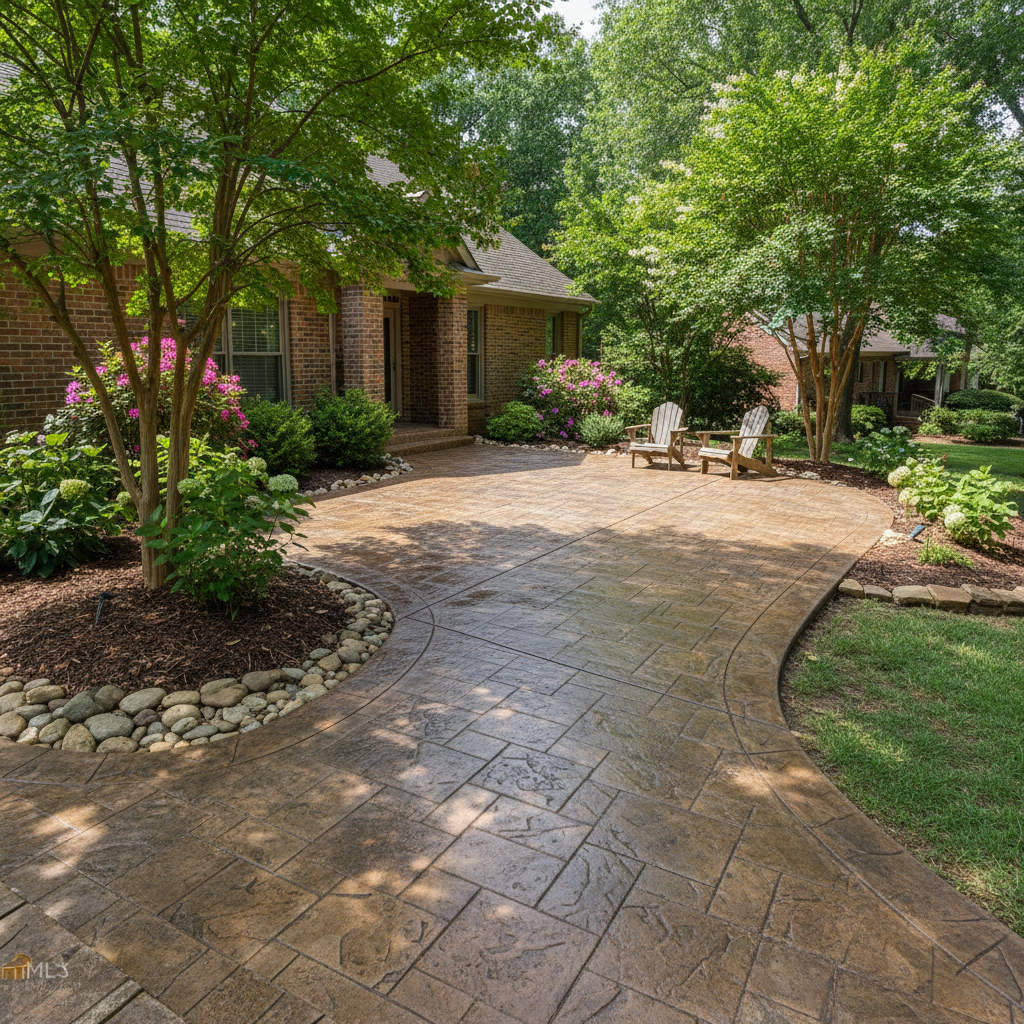
So, you're thinking about sprucing up your place with some decorative concrete, maybe a cool stamped patio or a stained driveway? Good call! It really boosts curb appeal and can totally change an outdoor area. But here in Birmingham, our weather isn't always the kindest to concrete, especially the fancy stuff. So, let's chat about how to get it done right and keep it looking sharp, no matter what the season throws at us.
When's the Best Time to Pour Decorative Concrete Around Here?
Honestly, the sweet spot for pouring decorative concrete in Birmingham usually hits in spring and fall. Why then? Because you need steady, moderate temperatures for the concrete to cure properly. We're talking daytime highs generally between 50 and 80 degrees Fahrenheit. That lets the concrete set up at a nice pace—not too fast, not too slow—which is super important for getting those detailed patterns and colors just right.
If you try to pour in the dead of summer, when it's 95 degrees and muggy, the water in the mix just evaporates way too quickly. This can lead to cracking, a weaker surface, and it makes the material really tough to work with before it stiffens up. Plus, putting on stains or sealers in extreme heat can make them dry unevenly or bubble. Nobody wants that, do they?
Winter brings its own set of problems too. While we don't get super harsh winters like folks up north, those cold snaps below freezing are bad news for fresh concrete. Water expands when it freezes, and if your concrete hasn't gotten strong enough yet, that expansion can cause surface damage or even structural issues. You might see spalling—where the surface flakes off—or just a generally weaker slab. We can use special additives to help with cold weather, but it's always smarter to just avoid those conditions if you can.
How Does Birmingham Weather Affect the Work Itself?
Beyond just temperature, our local weather plays a big role in how a decorative concrete job actually happens. Humidity is a huge one. High humidity, which we get plenty of, can really slow down the drying time for sealers and stains. This means longer waits between steps and a higher chance of dust or debris settling on the wet surface. On the flip side, really low humidity—not as common here, but it does pop up—can make sealers dry too fast, leading to streaks or an uneven finish.
Rain, obviously, is a definite no-go. You can't pour concrete in the rain, and you certainly can't put sealers or stains on a wet surface. Even if the concrete is cured, if it's soaking wet, the sealer won't stick right. We're always glued to the forecast, especially during those unpredictable spring and fall months where a sunny morning can turn into an afternoon thunderstorm in a flash. That's why being flexible with scheduling is key, and it's something GAE Concrete Co. always talks through with our clients.
Wind can also be a factor, believe it or not. Strong gusts can speed up surface drying, which is bad for fresh concrete, and it can blow dust and debris onto wet sealers. It's really all about keeping the environment as controlled as possible.
Protecting Your Investment Year-Round
Once your decorative concrete is in place, you want it to last, right? Here's how you keep it looking sharp through all four seasons here in Birmingham:
Clean Regularly: A quick sweep and a hose-down is often all you need. For tougher spots, a mild detergent and a soft brush will do the trick. Just steer clear of harsh chemicals or power washers set too high, as they can damage the sealer or even the concrete surface. Especially if you've got a patio under a big oak tree in Mountain Brook, you'll be sweeping leaves and pollen pretty often.
Re-seal When Needed: This is probably the most crucial step for making it last. Decorative concrete usually gets sealed to protect the color and surface from UV rays, moisture, and everyday wear. Depending on how much traffic it gets and how much sun it sees, you'll generally need to re-seal every 2-5 years. You can tell it's time when water no longer beads up on the surface, or if the color starts to look dull. Don't wait until it's too late!
Watch for Cracks (and Address Them): Concrete can crack; it's just a fact of life. Small hairline cracks are often just surface-level. But if you spot larger cracks, or if they start to get wider, it's smart to have them checked out. Taking care of them early can prevent bigger problems later on. We can often repair and blend them so they're barely noticeable.
Snow and Ice Care: While we don't get a ton of snow, when we do, be careful with de-icing products. Many salt-based de-icers can be really hard on concrete, especially sealed decorative concrete. Look for products labeled as concrete-safe, or just use sand for traction. Shovel promptly to avoid ice buildup.
Protect from Stains: Oil, grease, rust, and even leaves left to decompose can stain decorative concrete. Clean up spills quickly. If you've got a grill on your patio, consider putting a mat underneath it. For rust stains, there are specific concrete cleaners that can help, but prevention is always the best medicine.
Taking care of your decorative concrete isn't brain surgery, but it does need a little bit of attention. Do it right, and your patio or driveway will be a beautiful part of your Birmingham home for years to come. If you've got questions about maintenance or when to schedule your next project, just give us a call at GAE Concrete Co. We're always happy to help out.