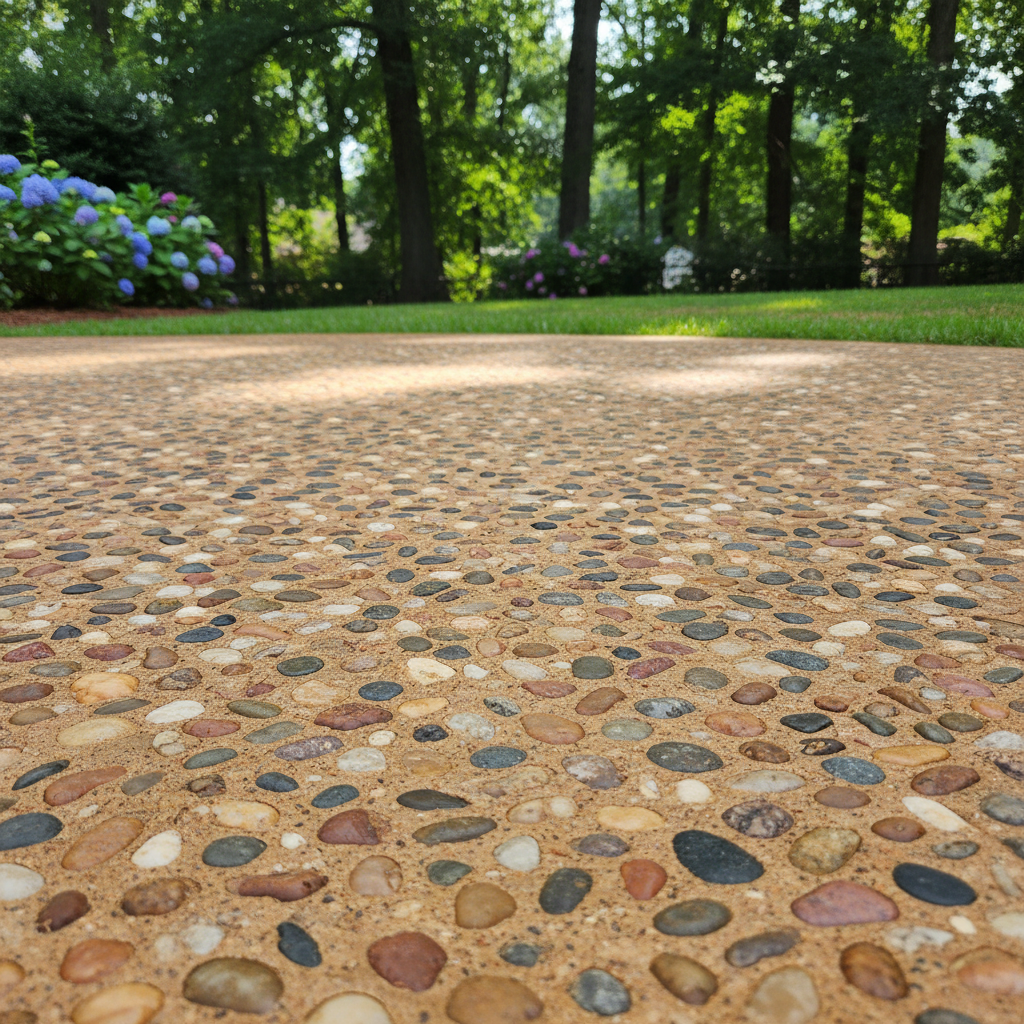
What exactly is "decorative concrete," anyway?
Alright, let's get this straight from the start. When I talk about decorative concrete, I'm not just talking about pouring a slab and calling it a day. No, we're talking about taking regular concrete and making it look like something else entirely – brick, stone, wood, even tile. It's about adding color, texture, and patterns to transform a plain surface into something really eye-catching. Think stamped concrete patios, stained concrete floors, or even polished concrete countertops. It's concrete, but it's got style, you know? It's pretty cool.
Is decorative concrete durable enough for Birmingham's weather?
You bet it is. We've got our fair share of hot, humid summers and those occasional icy snaps here in Birmingham, and decorative concrete holds up great. The key, really, is proper installation and sealing. When we do a job, like a stamped patio out in Vestavia Hills, we make sure the concrete mix is just right for our climate. It gets poured correctly, and then we seal it to protect against moisture, UV rays, and general wear and tear. It's built to last, just like any good concrete job should be. You'll get years of enjoyment out of it, no problem.
How much does decorative concrete cost compared to other materials?
That's a question I get a lot, and it's a good one. Generally speaking, decorative concrete can be more expensive upfront than plain concrete, but often less than natural stone, pavers, or high-end tile. The cost really depends on a few things: the complexity of the design, the type of decorative finish (stamping, staining, polishing), and the size of the area. For example, a simple stained concrete floor might be pretty affordable, but an intricate stamped pattern replicating flagstone with multiple colors will obviously cost more. The big advantage is the long-term value – it's incredibly durable and requires less maintenance than a lot of other materials, so you save money down the road. It's an investment, but a smart one.
What kind of maintenance does decorative concrete need?
This is where decorative concrete really shines. It's pretty low maintenance, which is a huge plus for busy homeowners. For most outdoor applications, like a patio or driveway, you'll want to clean it periodically with a hose and maybe a mild detergent to remove dirt and grime. For indoor floors, regular sweeping and mopping is usually all it takes. The most important thing is resealing. Depending on traffic and exposure, I usually recommend resealing every 2-5 years. That top coat is what protects the color and pattern, so keeping it fresh is key to keeping your decorative concrete looking great for decades. It's not a lot of work for such a beautiful finish, is it?
Can you put decorative concrete over my existing concrete?
Sometimes, yes, but it's not a blanket answer. This is where an on-site inspection really matters. If your existing concrete slab is in good structural shape – meaning no major cracks, crumbling, or severe settling – then we can often apply an overlay. These overlays are special cementitious products that go right over the old concrete, and then we can stamp, stain, or texture them. It's a great way to refresh an old, ugly slab without the expense and hassle of tearing it out. But if the old concrete is too far gone, then ripping it out and starting fresh is usually the only way to guarantee a quality, long-lasting decorative finish. I'll always give you an honest assessment when I come out.
How long does a decorative concrete project usually take?
The timeline varies quite a bit, but I can give you a general idea. For a typical residential project, like a stamped patio or a stained garage floor, you're usually looking at anywhere from a few days to a week or two from start to finish. This includes prep work, pouring (if needed), the decorative application itself, and then sealing. Weather plays a big role, especially here in Alabama with our sudden thunderstorms. We can't pour or seal in the rain, so sometimes we have to adjust. Curing time is also important – while you can often walk on it within 24-48 hours, it takes longer for the concrete to reach its full strength. We'll give you a clear timeline before we start, and keep you updated every step of the way. We want to get it done right, not just fast.
That's a rundown of the questions I hear most often about decorative concrete. It's a fantastic option for adding beauty and value to your home, and we at GAE Concrete Co. love making these visions a reality for folks all over Birmingham. If you've got more questions, don't hesitate to reach out.