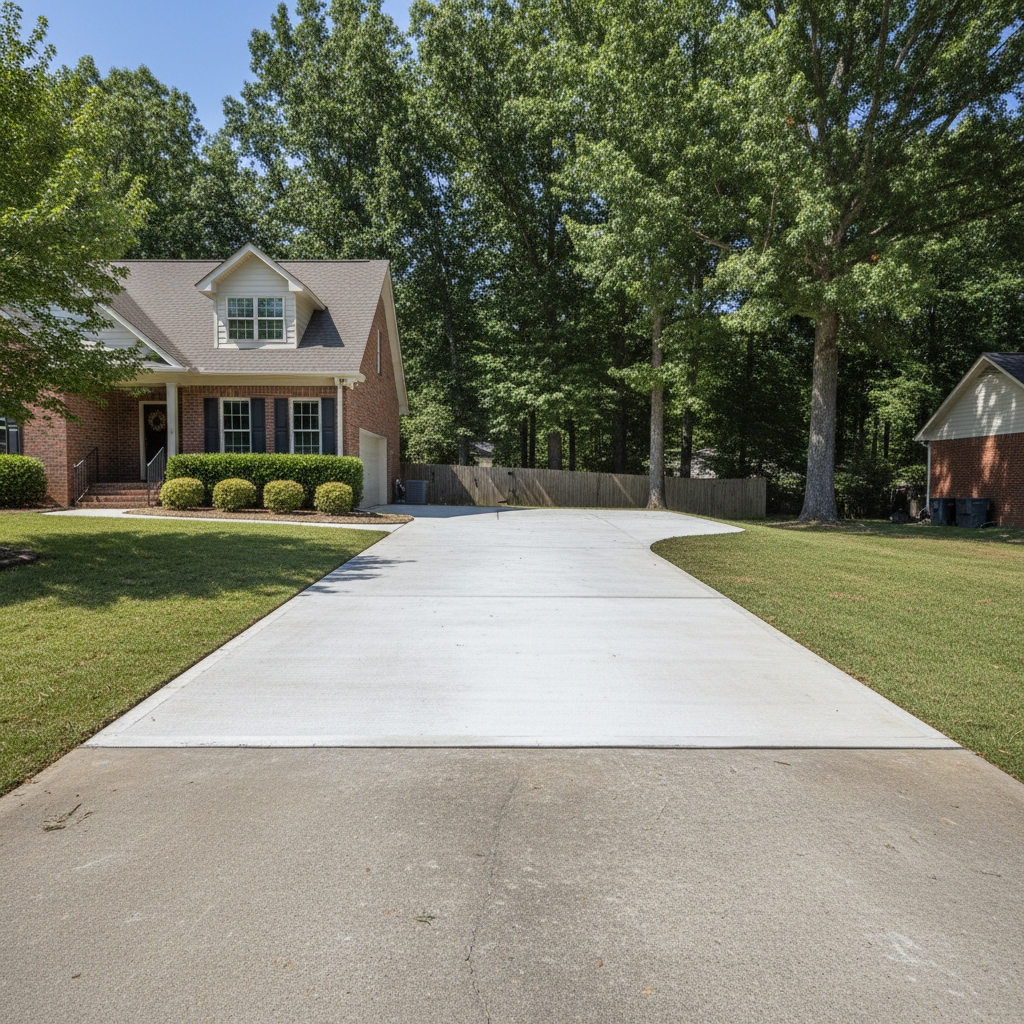
Got a concrete repair project on your mind, do you? Maybe it's that cracked driveway, a patio that's sinking a bit, or some busted steps. Before you even think about picking up the phone or grabbing a shovel, let me tell you about some of the biggest mistakes I see folks make all over Birmingham. These aren't just little "oopsies"; they can really cost you time, money, and a whole lot of headaches down the road.
Mistake #1: Only Looking at the Lowest Bid
This is probably the most common one out there. Everyone wants a good deal, I totally get that. But concrete work isn't like buying a gallon of milk, you know? When you're getting bids, if one comes in way, way lower than all the others, there's usually a reason. Maybe they're cutting corners on materials, skipping crucial prep work, or they just don't have enough experience to know what a job actually costs.
I've seen homeowners pick the cheapest guy, only to have the repair fall apart in a year or two. Then they're calling me, GAE Concrete Co., to fix the mess, which always ends up costing more than doing it right the first time. So, ask for a detailed breakdown of the bid. What kind of concrete will they use? How thick will it be? What's their plan for the sub-base? If they can't give you straight answers, that's a big red flag.
Mistake #2: Skipping References or Insurance Checks
It sounds basic, I know, but you'd be surprised how many people just don't do this. You're letting someone work on your biggest investment, your home! You really need to know they're legitimate and know what they're doing. Always ask for references, and actually call them. Ask about their experience, how they handled any problems, and if the person would hire them again.
And insurance? That's non-negotiable. Make sure they carry general liability insurance and workers' compensation. If a worker gets hurt on your property and the contractor isn't insured, guess who's on the hook? That'd be you. Don't just take their word for it, either; ask for a certificate of insurance sent directly from their insurance provider. Any reputable contractor won't even blink at this request.
Mistake #3: Not Getting to the Root of the Problem
A crack isn't just a crack; it's a symptom. Sometimes it's just normal wear and tear, sure, but often — especially here in Birmingham with our clay soils — it's something deeper. Maybe you've got poor drainage, a tree root pushing up, or an unstable sub-base. Just patching the crack without fixing the underlying issue is like putting a band-aid on a broken leg, isn't it?
A good contractor will actually investigate *why* the concrete failed. They'll look at the surrounding landscape, drainage patterns, and the existing soil conditions. For instance, if your driveway is cracking near a big oak tree in Mountain Brook, we're definitely going to talk about those roots. If they just want to slap some new concrete down without asking any questions, you'll be dealing with the same problem again before you know it.
Mistake #4: Not Getting a Clear Contract
Verbal agreements are worth nothing when things go sideways. Get absolutely everything in writing. And I mean *everything*. The scope of work, the materials they'll use, start and end dates, the payment schedule, warranty information, and what happens if unexpected issues pop up. A clear contract protects both you and the contractor, plain and simple.
If a contractor hesitates to put things in writing or uses vague language, that's a huge warning sign. You should understand every single line of that contract before you sign it. If you don't, ask questions until you do. Don't be shy; it's your money and your property, after all.
Mistake #5: Paying Too Much Upfront
This one's a classic scammer move. While a small deposit to cover materials is often reasonable, be very wary of any contractor who demands a large percentage of the total cost upfront, especially before any work has even started. Most legitimate contractors will ask for a reasonable deposit, then progress payments as they hit milestones, with the final payment due once the job is satisfactorily complete.
If someone asks for 50% or more before they even pour the first bag of cement, they might be using your money to fund another job, or worse, they might just disappear. Protect yourself and your investment by sticking to a sensible payment schedule.
Look, concrete repair isn't rocket science, but it does take skill, experience, and honesty. Do your homework, ask the tough questions, and trust your gut. It'll save you a lot of grief in the long run, believe me.