What's the real cost of a concrete patio in Birmingham?
Alright, let's get straight to it. This is usually the first thing folks ask me, and it's a fair question. The cost of a concrete patio isn't a one-size-fits-all number, especially not around here in Birmingham. You've got a few big factors playing into it. First, size. A small 10x10 slab is obviously going to be less than a sprawling 20x30 entertainment area. Then there's the prep work. If your yard's got a big slope or a bunch of old roots to clear out, that's more labor and material. We often deal with that red clay soil around here, and sometimes it needs extra attention to ensure a stable base, which adds to the cost. Finally, the finish. A basic broom finish is your most economical option. But if you're looking at stamped concrete to mimic stone or brick, or maybe some decorative scoring and staining, that's going to bump up the price significantly. Stamped concrete is a lot more labor-intensive and requires specialized tools and expertise. Generally speaking, you're looking at anywhere from $5 to $15 per square foot for a basic patio, and that can easily go up to $20-$30+ per square foot for complex decorative work. The best way to know for sure is to have someone like me from GAE Concrete Co. come out and give you a proper estimate.
How long does a concrete patio last in our climate?
A well-installed concrete patio, done right, should last you a very long time – I'm talking decades, easily 20 to 30 years, sometimes even more. But there's a catch, and it's all about how it's installed and maintained. Our weather in Birmingham can be a bit of a rollercoaster, right? We get hot, humid summers, and then we can have those freezing nights in winter. That freeze-thaw cycle can be tough on concrete if it's not mixed and poured correctly. You need the right strength concrete, proper rebar or wire mesh reinforcement, and good drainage away from the slab. If water sits on it and freezes, it'll cause spalling or cracking over time. Regular cleaning and sealing every few years will also extend its life significantly. Think of it like changing the oil in your car – a little preventative maintenance goes a long way.
Will my new concrete patio crack?
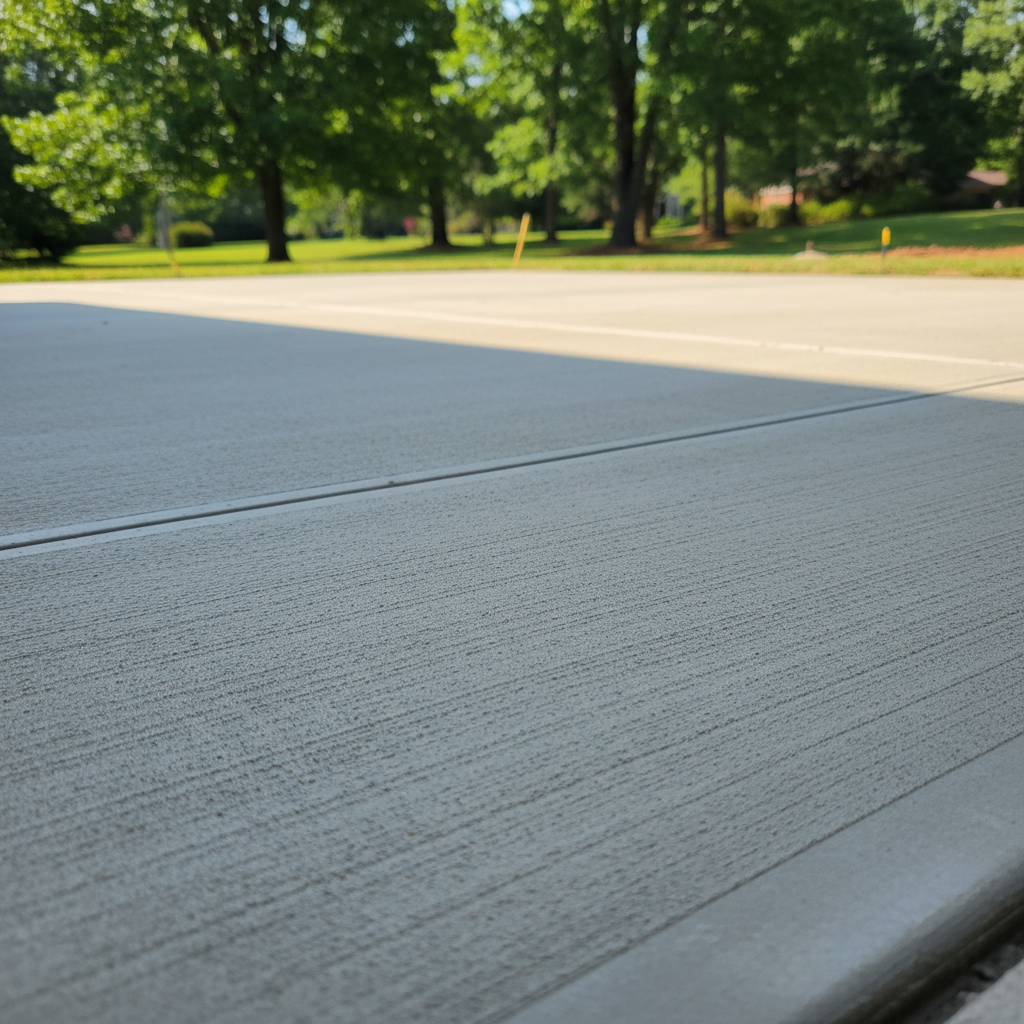
Okay, let's be honest: concrete cracks. It's not a matter of *if* it will crack, but *when* and *where*. Now, before you panic, I'm talking about hairline cracks, often called 'control' or 'stress relief' cracks. These are usually harmless and a normal part of concrete's behavior as it cures and settles. A good contractor will take steps to minimize these and direct them to less noticeable areas. We do this by putting in control joints (those grooves you see in concrete) at specific intervals. These joints create weakened planes in the slab, encouraging the concrete to crack along those lines instead of randomly across the surface. Proper sub-base preparation, the right concrete mix, and adequate reinforcement (rebar or fiber mesh) also play a huge role in preventing large, structural cracks. If you see wide, uneven cracks, or cracks that are lifting, then you've got a bigger issue that needs looking at.
What's the deal with stamped concrete? Is it worth the extra money?
Stamped concrete is definitely a popular choice, and for good reason. It lets you get the look of natural stone, brick, or even wood planks without the higher cost and maintenance of those materials. You can pick from tons of patterns and colors to match your home's style. Is it worth the extra money? That depends on your budget and what kind of aesthetic you're going for. It's a significant upgrade from a basic broom finish, both in terms of cost and visual appeal. The installation is more complex, requiring skilled craftsmen who know how to apply the release agents, stamp the patterns, and then seal it correctly. If you want a high-end, custom look that really enhances your outdoor living space, then yes, it's absolutely worth considering. It adds a lot of curb appeal and can really transform a backyard.
How long does it take to install a concrete patio?
From start to finish, a typical residential concrete patio usually takes a few days. The actual pouring of the concrete is often just one day, but there's a lot that goes into it before and after. Day one might be all about site preparation – clearing the area, grading the ground, laying down the sub-base, and setting up the forms. If it's a larger or more complex job, that prep could spill into a second day. Then comes the pour day, which involves getting the concrete delivered, placing it, finishing it (broom, trowel, or stamping), and cutting in those control joints. After that, the concrete needs to cure. You can usually walk on it lightly within 24-48 hours, but you'll want to wait at least 7 days before putting heavy furniture on it, and a full 28 days for it to reach its full strength before driving on it or doing anything really strenuous. If you're getting it sealed or stained, that'll add another day or two after the initial cure.
Can I put a concrete patio over an existing deck or old patio?
This is a common question, and the short answer is usually