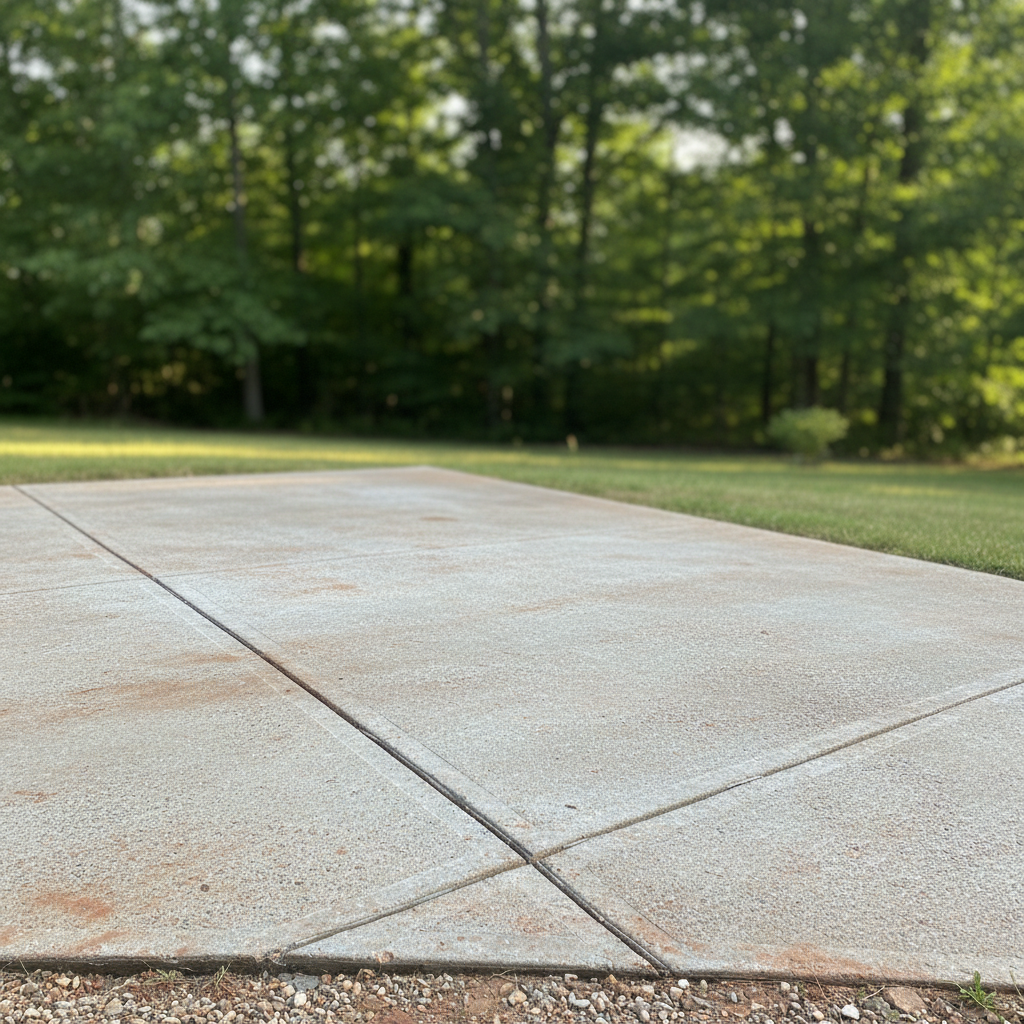
Concrete Repair: What You Need to Know Before You Start
Got a crack in your driveway? Maybe a spalled spot on your patio, or a chunk missing from your garage floor? Yeah, it happens. Concrete isn't indestructible, especially with our wild weather swings here in Birmingham – those freeze-thaw cycles really put it through the wringer. So, what's the plan?
First things first: don't panic. A lot of small concrete problems are actually pretty fixable for a homeowner. But there's a definite line, and knowing where that line is can save you a ton of headache and money later on. I've seen plenty of folks try to patch up something that really needed a full replacement, and it just ends up looking worse and failing even faster. What a waste!
Before you even think about buying a bucket of patch, you've got to figure out what kind of damage you're actually dealing with. Is it just a hairline crack? A wide, deep fissure? Is the concrete sinking? Is the surface just flaking off, or are we talking about a structural issue?
- Hairline cracks: These are usually just on the surface and often show up during the curing process. Mostly cosmetic, really.
- Wide cracks (1/4 inch or more) or deep cracks: These can point to something more serious, like ground movement or the sub-base not being prepped correctly.
- Spalling or flaking: This is when the concrete's surface peels or chips off. Often, it's those freeze-thaw cycles, de-icing salts, or a weak concrete mix causing the trouble.
- Potholes or missing chunks: Usually from an impact or spalling that's gone on too long and worn away the surface.
- Sinking or uneven slabs: This almost always means there's a problem with the sub-base. The ground underneath isn't stable, or water has washed away the soil.
Once you know what you're up against, you can decide if it's a DIY job or if it's time to call someone like GAE Concrete Co.
DIY Concrete Repair: What You Can Realistically Tackle
Okay, let's talk about what you can probably handle yourself. For the average Birmingham homeowner, you can usually take on:
- Small, non-structural cracks: If it's just a hairline crack or one that isn't getting wider and isn't making the slab unstable, you can fill it. You'll need a good concrete crack filler. Clean out the crack really well first – use a wire brush, then blow out all the dust. Just follow the product instructions carefully.
- Minor spalling or surface damage: If only a thin layer is flaking off, you can often use a concrete resurfacer. This is a thin, polymer-modified cement coating. You'll need to clean the surface super well, maybe even pressure wash it, and make sure it's totally dry before you apply it. It's kind of like painting, but with concrete.
- Small potholes or missing chunks (non-structural): For these, grab some concrete patch or repair mortar. Again, clean out the area completely. If you can, undercut the edges slightly – it helps the patch hold better. Prime the area if the product suggests it, then trowel in the patch. Make sure it's level with the concrete around it.
The big secret to all DIY concrete repair is preparation. If you don't clean the area properly, your patch won't stick, and you'll just be doing it all over again next year. Also, seriously, always read the instructions on the product you buy. They're there for a reason, you know?
When to Call a Pro: Don't Mess With These
Now, here's when you need to put down the trowel and pick up the phone. Don't even try to DIY these problems:
- Large, wide, or active cracks: If a crack is wider than a quarter-inch, deep, or if it keeps growing, that's a sign of a deeper issue. It could be foundation movement, significant soil erosion (especially common with our red clay soil), or a poorly compacted sub-base. Patching these is just a temporary cosmetic fix; the underlying problem will just make the crack reappear, guaranteed.
- Sinking or uneven slabs: This is a big one. If your driveway, patio, or sidewalk slabs are sinking or creating trip hazards, the problem isn't just the concrete; it's the ground underneath. You might need slab jacking (also called mudjacking or concrete leveling) or even a full replacement with proper sub-base work. This kind of thing needs specialized equipment and expertise.
- Structural damage: If the concrete is part of your home's foundation, a retaining wall, or a load-bearing slab, any significant damage needs a professional assessment. You really don't want to compromise your home's structure, do you?
- Extensive spalling or deterioration: If a large area of your concrete is spalling, or if it's crumbling a lot, a simple resurfacer probably won't cut it. You might need to remove and replace that section entirely to get a fix that actually lasts.
- Repeated failures: If you've patched a spot yourself, and it keeps failing in the same place, that's a clear sign you're not addressing the root cause. It's time for a professional to take a look.
For these bigger jobs, you want someone who knows what they're doing, someone who understands the local soil conditions and how they affect concrete. That's exactly where a company like GAE Concrete Co. comes in. We can assess the situation, figure out the cause, and give you a solid solution that lasts.
After the Repair: Keep It Looking Good
So, you've either patched it yourself or had a pro fix it. What now? Maintenance is super important for making that repair last and stopping new damage from happening.
- Keep it clean: Sweep off dirt and debris regularly. Power wash occasionally, but be careful not to use too high a pressure setting, especially on new patches or resurfaced areas.
- Seal it: A good quality concrete sealer is your best friend here in Birmingham. It helps protect against moisture, freeze-thaw damage, and even oil stains. Apply it every few years, or as the product recommends.
- Address drainage: Make sure water isn't pooling on or near your concrete. Proper drainage is absolutely crucial. If water is constantly sitting on your driveway, it's going to find its way into those cracks and cause problems.
- Don't use de-icing salts: If you absolutely have to de-ice, use sand or a non-chloride de-icer. Regular rock salt (sodium chloride) is terrible for concrete and will cause spalling.
Taking care of your concrete isn't just about curb appeal; it's about safety and protecting your investment. A little proactive maintenance really goes a long way. Don't let a small crack turn into a big headache!